Key Takeaways
- Manufacturing heritage: Buck Stove has produced wood-burning appliances in Spruce Pine, North Carolina since 1975; it is one of the oldest continuously operating wood stove brands in the US with domestic production as a core value
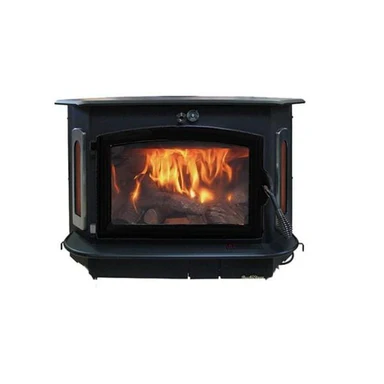
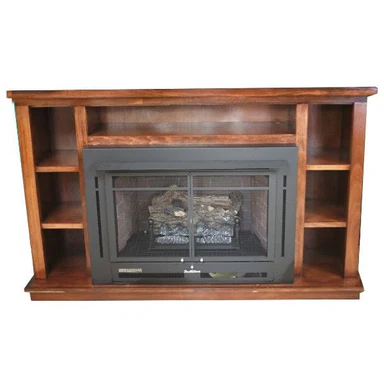
- Product categories: Buck Stove produces freestanding wood stoves, fireplace inserts, and a limited gas appliance line; the Model 81 and Model 91 cast iron inserts are the most widely recognized products in the dealer network
- EPA compliance: Current Buck Stove wood models meet EPA Phase 2 standards; cast iron construction retains heat longer after the fire settles, which is a practical advantage for overnight heating without adding wood
- Price positioning: Most Buck Stove wood models retail between $800 and $1,800; the brand competes directly with Drolet and Englander on price while differentiating on American casting and dealer service network
- Best fit: Buck Stove suits buyers who want American-made cast iron at a mid-tier price; buyers who want higher efficiency catalytic combustion or a larger firebox should compare Blaze King or Pacific Energy
Buck Stove is a dependable choice if you want American-made heating backed by five decades of manufacturing experience. Their lineup covers everything from compact non-catalytic stoves to high-output catalytic models capable of serving as a home's primary heat source.
One honest tradeoff: catalytic models require periodic combustor replacement, a maintenance cost worth factoring into your budget before you buy.
Brand Overview
| Founded | 1975, Spruce Pine, North Carolina, USA |
| Made In | USA (300,000 sq ft manufacturing facility) |
| Price Range | Approx. $[Model 74 price] to $4,505 (Model 91) [confirm entry price before publish] |
| Best For | Primary and supplemental wood heating; mobile home zero-clearance installs |
| Warranty | 1-year full coverage / up to 6-year limited (original owner) |
About Buck Stove
Buck Stove has been manufacturing heating appliances in Spruce Pine, North Carolina since 1975. That is not a marketing footnote. It is a meaningful distinction in a market where most stove brands have moved production overseas, and their 300,000-square-foot facility in the Blue Ridge Mountains still produces every unit they sell.
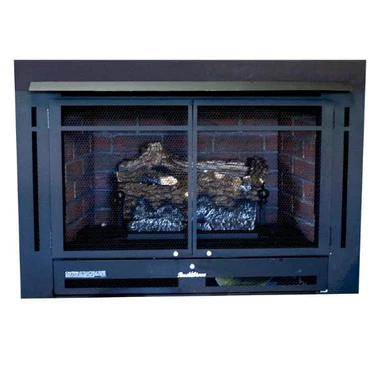
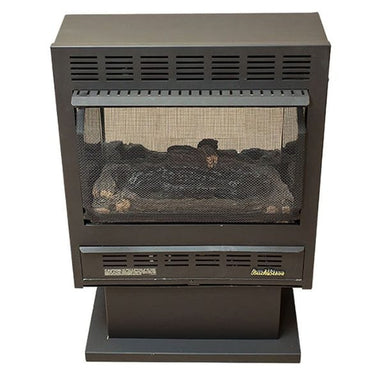
The product range covers a lot of ground: catalytic and non-catalytic freestanding stoves, masonry fireplace wood stove inserts, zero-clearance models for mobile homes and new construction, and vent-free gas stoves for buyers who want flame ambiance without a chimney.
Fire Pit Surplus carries Buck Stove because they offer a well-rounded wood heating line that serves a range of buyers. That kind of range matters when you are trying to match a customer to the right product, not just the right brand.
Our Experience Selling Buck Stove

After selling Buck Stove at Fire Pit Surplus, a few things stand out that you will not find on the product spec sheet. The Model 91's catalytic combustor design is the clearest example of what separates a purpose-built stove from a commodity heater. The combustor forces smoke through a honeycombed ceramic element that re-ignites gases that would otherwise escape unburned.
The result is a BTU range of 10,400 to 62,745 per hour. That spread means you can dial the stove from a slow overnight burn to aggressive whole-room output, which is not typical in this price class.
Compared to similarly priced Canadian brands like Drolet and Osburn, Buck holds its own on performance. Where it consistently wins is on provenance. For buyers who care about keeping their dollars in American manufacturing, there is no equivalent at this price point.
One thing we are upfront with buyers about: catalytic stoves require more from you as an owner. The combustor in a Model 91 will need replacement eventually, typically every 3 to 6 years depending on how hard you run the stove, at a cost of roughly $500. According to the U.S. EPA, wood burns most efficiently when moisture content is below 20%, and running properly seasoned wood extends combustor life significantly.
We typically recommend Buck Stove to three types of buyers: homeowners who want a made-in-USA primary heat source and are willing to manage catalytic maintenance, mobile home owners who need zero-clearance certification, and buyers who want insert flexibility because the Model 91 installs as both a freestanding unit and a masonry insert.
Buck Stove Pros and Cons
Common Problems With Buck Stove
No stove brand is without real-world issues. Here is what comes up most often with Buck Stove, how common each problem is, and what to do about it.
1. Catalytic Combustor Replacement (Model 91)

How common: Well-documented and expected with any catalytic stove. The combustor in the Model 91 is designed to be replaced periodically, typically every 3 to 6 years depending on burn frequency and wood quality, at a cost of approximately $500.
This is not a defect; it is how catalytic stoves work. Buyers who do not factor this in upfront are sometimes caught off guard. Workaround: build the combustor replacement into your total ownership budget and run properly seasoned wood to extend its life.
2. Warranty Exclusions on Wear Components
How common: Occasional frustration, especially among first-time stove buyers. Buck's warranty covers parts in Year 1 and extends limited coverage through Year 6, but paint, gaskets, glass, and electrical components are excluded from Year 2 onward.
Buyers who assume the 6-year warranty is comprehensive are sometimes surprised. Dealbreaker? No. Workaround: download the warranty documentation for your specific model before you buy.
3. Non-Transferable Warranty
How common: A standard limitation across most stove brands, but worth knowing if you plan to sell your home. Buck's warranty applies to the original purchaser only. A subsequent owner takes the stove with no remaining coverage.
Workaround: keep your original purchase documentation and warranty registration on file.

4. Model 74 BTU Ceiling for Larger Spaces
How common: Occasional. The Model 74 is an entry-level non-catalytic stove with a maximum output of approximately 42,000 BTU, well suited for spaces up to about 1,500 square feet. Buyers who try to heat larger open-plan homes with it sometimes report insufficient output.
This is a sizing issue, not a product defect. Workaround: use Buck's heating capacity guidelines or contact us before ordering if you are unsure which model fits your space.
Buck Stove Product Line: Which Model Is Right for You?
Buck's lineup spans four practical categories covering wood and gas heating across a wide range of home sizes and install types.
Model 91: Best for Whole-Home Primary Heat
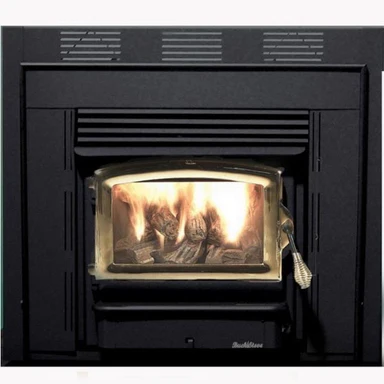
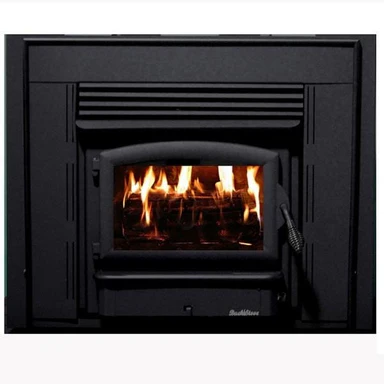
The Model 91 is Buck's flagship catalytic stove. With a BTU range that stretches from a slow 10,400 up to 62,745, it is equally capable of maintaining an overnight burn and pushing serious heat through a large space. It accepts 21-inch logs and installs as either a freestanding unit or a masonry fireplace insert.
If you are reading buck stove model 91 reviews specifically, this is the model most owners point to when they talk about Buck Stove's real capabilities. [Link to Model 91 product page]
Model 21NC: Best for Medium Spaces and Insert Applications
The Model 21NC is a practical mid-range non-catalytic option for supplemental heat in spaces between 800 and 1,800 square feet. It works as both a freestanding stove and a fireplace insert, a flexibility that makes it popular for buyers converting an existing fireplace opening.
In the buck stove model 21 reviews category, its insert compatibility is consistently the standout feature. [Link to Model 21NC product page]
Model 74: Best Entry-Level Option
The Model 74 is Buck's entry point: a straightforward non-catalytic freestanding stove rated for spaces up to about 1,500 square feet. Buyers reading buck stove model 74 reviews typically highlight its simplicity and dependable performance for supplemental heating.
It is not the stove for primary heat in a large home, but for a cabin, workshop, or secondary room, it delivers without overcomplication. [Link to Model 74 product page]
Model 384: Best for Gas Convenience
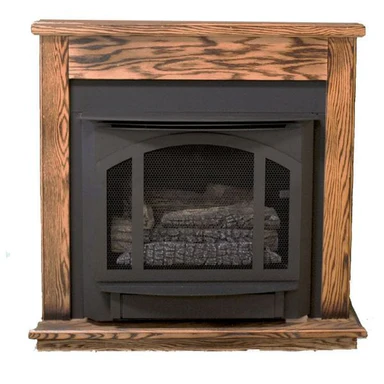
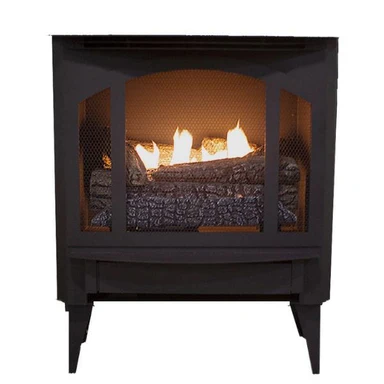
The Model 384 is a vent-free gas stove with a glowing ember bed and ceramic logs. No chimney required. For buyers searching around buck stove fireplace and pool reviews or vent-free fireplace inserts, this model delivers gas-fueled ambiance with up to 33,000 BTU and no flue installation. [Link to Model 384 product page]
If you are comparing catalytic versus non-catalytic heating approaches before deciding, the catalytic vs non-catalytic wood stove guide walks through the real-world differences in detail.
How Buck Stove Compares to Other Wood Stove Brands
Buck Stove is not the only quality wood stove brand on Fire Pit Surplus. Drolet and Englander both deserve consideration depending on your priorities.

Choose Buck Stove if:
- American manufacturing is a priority. Buck is one of the last USA-made wood stove brands at this price point.
- You need zero-clearance certification for a mobile home or manufactured housing installation.
- You want catalytic efficiency and are willing to manage combustor maintenance over time.
Consider Drolet if:
Drolet excels at high-capacity heating and carries a strong EPA-certified wood stoves lineup. If you need the most heating output per dollar and Canadian manufacturing is not a concern.
Consider Englander if:
Englander tends to come in at a lower entry price and suits buyers working within a tighter budget. Read the Englander wood stove reviews if you want to compare them directly before deciding.
Frequently Asked Questions About Buck Stove
Is Buck Stove a good brand?
Yes. Buck Stove is a solid American-made brand with a 50-year track record built in North Carolina. Their stoves deliver reliable primary and supplemental heat for homes, cabins, and mobile homes. Best for buyers who prioritize domestic manufacturing and long-term durability.
Where is Buck Stove made?
Buck Stove is made in Spruce Pine, North Carolina, USA, where the company has operated since 1975. All models are built in their 300,000-square-foot facility, making Buck one of the few remaining American wood stove manufacturers at this price point.
Is Buck Stove worth the money?
Yes, for the right buyer. Buck Stoves offer strong heat output, American craftsmanship, and a 6-year limited warranty at a competitive price. They are worth it for homeowners wanting reliable primary heat or mobile home owners needing zero-clearance certification.
How long do Buck Stoves last?
Buck Stoves are built to last 20 to 30 years with proper maintenance. The firebox and primary components are covered under warranty for up to 6 years. Catalytic models require periodic combustor replacement, typically every 3 to 6 years depending on usage.
Does Buck Stove have good customer service?
Experiences are mixed. Buyers who purchase through authorized retailers like Fire Pit Surplus report smoother support for warranty and parts questions. Direct manufacturer response times can vary, so buying through a dedicated retailer helps streamline any after-sale needs.
Is the Buck Stove Model 91 worth it for a large home?
Yes. The Model 91 is Buck's flagship catalytic stove rated to heat up to 3,200 square feet at 10,400 to 62,745 BTU per hour. It accepts 21-inch logs and installs as a freestanding unit or masonry insert, making it a strong choice for whole-home primary heat.
For more on keeping any wood stove running at peak performance, the wood stove maintenance guide is a practical starting point. Some Buck Stove models may also qualify for federal incentives; see the wood stove tax credit guide for current eligibility details.
Final Verdict: Is Buck Stove Worth It?

Buck stove reviews consistently point to the same conclusion: this is a brand that over-delivers on durability and American manufacturing for buyers who need real heat, not just a feature list. The Model 91 is one of the most capable catalytic stoves in its price range, and the zero-clearance line solves a real problem for mobile home owners who have limited options.
That said, Buck Stove is not the right call for everyone. If you need the absolute highest heating capacity per dollar, Drolet's lineup edges ahead on output. If you are working with the tightest possible budget for an entry-level stove, Englander may get you there for less.
For most homeowners looking at American-made primary or supplemental wood heat, Buck Stove earns its place on the shortlist. See current models and pricing in the Buck Stove collection at Fire Pit Surplus.